


Table of Contents
- What Wedding Floral Design Services for Brides Actually Include
- How to Choose Wedding Flowers by Season
- Full-Service vs A La Carte Wedding Flowers
- Questions to Ask Your Wedding Florist Before Booking
- What Shapes a Wedding Floral Budget
- DIY vs Professional Floral ROI: What Brides Should Weigh
- Sustainable Wedding Floral Design and Preservation
- Conclusion
- Frequently Asked Questions
Last Updated: September 16, 2026
What Wedding Floral Design Services for Brides Actually Include
Wedding floral design is the professional planning, sourcing, and installation of all flowers used across a wedding day, from the bridal bouquet to reception centrepieces to ceremony arches. At Brampton Florist, we build every wedding order around the couple’s colour palette, venue, and budget rather than a fixed template.
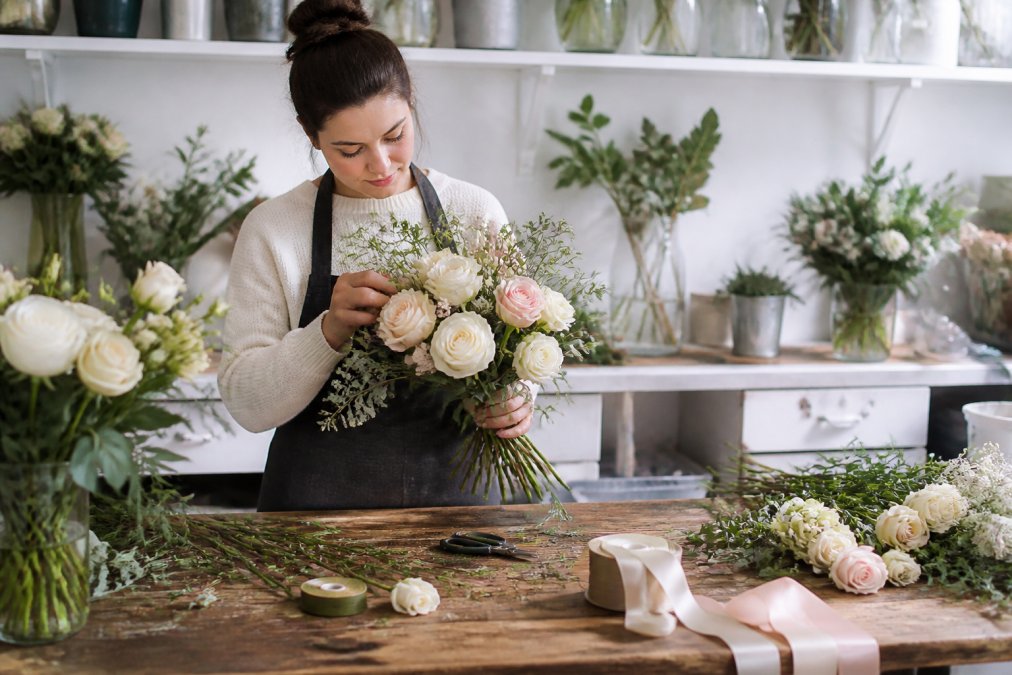
Core Arrangements: Bouquets, Boutonnieres, and Centrepieces
The bridal bouquet anchors the entire floral aesthetic, and every other arrangement should echo its colour palette and flower choices. Boutonnieres for the groom and wedding party, corsages for family members, and centrepieces for each reception table follow that same visual thread.
Ceremony Arches, Installations, and Venue Decor
Ceremony arches, aisle markers, and hanging floral installations are the statement pieces of a wedding day. These are the arrangements that appear in almost every photograph, which is why they are worth prioritizing even on a tighter budget.
Ask your florist how a ceremony arch will be transported and re-secured if it needs to move from the ceremony site to the reception venue. This is one of the most common day-of surprises, and it should be planned for at the consultation, not improvised on site.
How to Choose Wedding Flowers by Season
Choosing wedding flowers by season means matching your floral palette to what is naturally at its best during your wedding month, which usually lowers cost and improves freshness. Seasonal blooms arrive in better condition and hold longer than flowers shipped out of season.
Spring, Summer, Fall, and Winter Blooms at a Glance
| Season | Signature Blooms | Design Character |
|---|---|---|
| Spring | Tulips, peonies, ranunculus | Soft, pastel, romantic |
| Summer | Roses, dahlias, sunflowers | Bold, saturated, abundant |
| Fall | Dahlias, mums, textured foliage | Warm, earthy, layered |
| Winter | Amaryllis, orchids, evergreens | Structured, dramatic, high-contrast |
Seasonal sourcing is also one of the most practical ways to keep a floral budget in check. A flower that is in season locally costs less and looks better than the same flower flown in against its natural calendar.
Full-Service vs A La Carte Wedding Flowers
Full-service wedding flowers means the florist handles design, sourcing, delivery, setup, and often teardown, while a la carte means you order individual pieces and handle the rest yourself. The right choice depends on your venue, your timeline, and how much day-of coordination you want to take on.
- Full-service: design consultation, sourcing, delivery, on-site installation, and teardown included
- A la carte: individual arrangements ordered and collected or delivered without setup
- Hybrid: bouquets and boutonnieres a la carte, installations and centrepieces full-service
Questions to Ask Your Wedding Florist Before Booking
Ask about sourcing, delivery timing, setup logistics, and what happens if a specific flower is unavailable. A florist who can answer these clearly before you book is a florist who will handle wedding day logistics calmly.
Bring these to your floral consultation:
- Which flowers will be in season on my wedding date, and which substitutions would you suggest?
- What time will flowers be delivered, and who sets up the ceremony arch and centrepieces?
- What is included in the quoted price, and what counts as an extra?
- How do you handle floral maintenance between the ceremony and reception?
- Can you work with my venue’s setup rules and access times?
- What is your policy if a flower variety is unavailable close to the date?
Skipping the venue logistics question is the single most common oversight. If your venue only allows setup in a narrow window, or restricts certain installation methods, that constraint needs to be known before the design is finalized, not discovered on the morning of the wedding.
What Shapes a Wedding Floral Budget
A wedding floral budget is shaped by four things: the number of arrangements, the flower varieties chosen, the season, and the delivery and installation requirements. Two weddings with the same guest count can have very different floral costs based on those variables alone.
How Floral Costs Break Down by Category
Most wedding floral budgets follow a predictable proportional pattern. Personal flowers, the bridal bouquet, bridesmaid bouquets, boutonnieres, and corsages, typically account for 15 to 25 percent of the total floral spend. Ceremony arrangements, including an arch, aisle markers, and any altar pieces, usually take another 15 to 25 percent. Reception centrepieces and tablescape florals are the largest category, often 35 to 50 percent, simply because of the number of tables.
The Cost Drivers Brides Underestimate
Three cost drivers catch couples off guard. First, installation complexity: a hanging floral chandelier or a ceremony arch that must be moved between two venues requires extra labour hours, structural materials, and often a second setup crew. Second, flower variety: a bouquet of locally grown dahlias in peak season may cost less than the same bouquet built from imported orchids in February, even though the orchid arrangement looks simpler.
Ask your florist to price two versions of the same concept: one with premium blooms throughout, and one that uses premium flowers only in the bridal bouquet and high-visibility arrangements while substituting similar but lower-cost stems elsewhere. The visual difference is often minimal, but the budget difference can be significant.
Budgeting for Small and Intimate Weddings
Small weddings do not automatically mean small floral budgets, but they do change the math. With fewer centrepieces, a larger share of the budget can go toward statement pieces like a ceremony arch or a lush bridal bouquet. Many couples hosting intimate weddings choose to spend more per arrangement and fewer total arrangements, which often produces a more cohesive, design-forward look than spreading a tight budget across a large guest count.
Order Online or Call Now to Order Flowers →
DIY vs Professional Floral ROI: What Brides Should Weigh
DIY wedding flowers can save money on labour, but the real comparison is time, risk, and day-of execution, not just the flower cost. Many couples find the savings shrink once they account for the hours spent sourcing, conditioning, and assembling arrangements.
The Hidden Costs of DIY Flowers
The sticker price of wholesale stems is only the first line item. A realistic DIY budget also includes buckets, floral shears, ribbon, wire, floral tape, foam or alternative mechanics, cool storage space, and transportation. If you are assembling centrepieces the day before, you may also need to rent a refrigerated space or rely on a cool basement, which is not always available in summer.
The Risk Factor Competitors Do Not Mention
DIY flowers carry execution risk that is hard to price until it materializes. Stems can arrive damaged or open too early. A bouquet can fall apart mid-ceremony if it was not wired correctly. Centrepieces assembled the night before may wilt in a warm reception room. And if something goes wrong, there is no florist on call to fix it.
A Simple Decision Framework
Use these questions to decide whether DIY or professional design fits your wedding:
- How many arrangements do you need in total? Under ten simple pieces is manageable for a confident DIYer; over twenty, or any installation work, tips toward professional.
- How flexible is your timeline? If you have a full day free two days before the wedding and a cool space to store flowers, DIY is more realistic.
- How complex is the design? Hand-tied bouquets and bud vases are DIY-friendly. Arch installations, hanging pieces, and structured centrepieces are not.
- What is your risk tolerance? If a wilted centrepiece would ruin your day, hire a professional.
- What is your time worth? If you would need to take unpaid time off work to assemble flowers, add that cost to the DIY total.
The honest trade-off: DIY works best for small weddings with simple arrangements and a flexible timeline. For anything with installations, multiple venues, or a tight morning schedule, professional design usually pays for itself in avoided stress and rework. The break-even point is rarely about the flower cost alone, it is about how much your time and peace of mind are worth in the final week before the wedding.
Sustainable Wedding Floral Design and Preservation
Sustainable floral design focuses on seasonal, locally sourced blooms, reusable containers, and foam-free mechanics that reduce waste. Canadian Food Inspection Agency guidance on fresh cut flowers sets out how fresh-cut flowers are handled and imported, which is useful context when asking a florist where their blooms come from.
Conclusion
Planning wedding flowers means juggling season, budget, venue rules, and day-of logistics at once, and that is exactly where a local designer earns their keep. Brampton Florist is a family-owned, full-service florist specializing in weddings, funerals, and gifts, with same-day delivery available and orders placed by 1 PM qualifying for same-day service. Our designers hand-craft every bouquet and installation around your colour palette and venue, and we offer convenient online ordering alongside a personalized consultation.
Frequently Asked Questions
What is a realistic floral budget for a wedding?
A realistic wedding floral budget depends on guest count, venue size, and how many arrangements you need. Most couples allocate 8-12% of their total wedding budget to flowers. A small intimate wedding with a bridal bouquet, a few centrepieces, and ceremony decor sits at the lower end. A full wedding with ceremony arch, reception centrepieces, wedding party flowers, and floral installation costs more. Request a quote from Brampton Florist for pricing tailored to your wedding vision.
What is the 3-5-8 rule for florists?
The 3-5-8 rule is a design guideline florists use for proportion. It refers to the ratio of flower heights or arrangement tiers: 3 parts, 5 parts, and 8 parts. The rule helps create balanced floral arrangements with visual depth. Some florists apply a similar 3:5:8 ratio to budget allocation across ceremony, reception, and personal flowers. Ask your florist how they apply proportion principles to your specific wedding floral design.
How do I choose wedding flowers by season?
Start by identifying which flowers bloom naturally during your wedding month. Spring offers tulips, peonies, and ranunculus. Summer brings dahlias, sunflowers, and hydrangeas. Fall features dahlias, garden roses, and chrysanthemums. Winter relies on amaryllis, paperwhites, and evergreens. Choosing seasonal blooms lowers cost and ensures fresher flowers. Ask your florist for a seasonal availability list when you book your floral consultation.
What should I look for when hiring a wedding floral designer?
Look for a boutique floral studio with a portfolio that matches your floral aesthetic. Check whether they offer a floral consultation, custom design, and full-service delivery. Ask about their experience with your venue, their floral sourcing practices, and how they handle wedding day logistics. Confirm they provide a written proposal with itemized pricing. A family-owned florist with wedding experience will guide you through color palette selection and floral mechanics.
Can a local florist handle a full wedding order?
Yes. A full-service florist manages bridal bouquet, wedding party flowers, boutonnieres, ceremony arch, centrepieces, and venue decor. They coordinate floral delivery, setup, and breakdown on your wedding day. For larger weddings, confirm the florist’s capacity and ask about their team size. Brampton Florist specializes in full-service wedding floral design and can handle ceremony and reception arrangements in one order.
How far in advance should I book a wedding florist?
Book your wedding florist six to twelve months before your wedding date. Peak season dates fill quickly, especially for full-service design. Booking early gives you time for a floral consultation, color palette refinement, and seasonal bloom selection. If your wedding is within three months, contact the florist directly to check availability. Same-day delivery is available for non-wedding orders, but wedding floral design requires advance planning.


