


Table of Contents
- Understanding Funeral Flower Meanings and Symbolism
- Popular Funeral Flowers and What They Represent
- Choosing Funeral Flower Arrangements by Type
- Funeral Flower Etiquette: What You Need to Know
- Designing Meaningful Funeral Flower Arrangements
- What to Write on Funeral Flowers
- Ordering and Funeral Flower Delivery
- Special Considerations and Cultural Traditions
- Frequently Asked Questions
Last Updated: October 11, 2026
Understanding Funeral Flower Meanings and Symbolism
When you choose funeral flowers, you’re communicating respect, sympathy, and remembrance without words. Different blooms carry distinct meanings that have been recognized for centuries across cultures and traditions.
White flowers traditionally symbolize purity, innocence, and reverence. They’re often chosen to honor the deceased and express spiritual feelings. Red flowers convey deep love and respect. Pink blooms represent admiration and gratitude. Yellow flowers symbolize friendship and joy, celebrating the person’s life rather than mourning their death.
Understanding these meanings helps you select arrangements that genuinely reflect your relationship to the deceased and your feelings about their passing. The color and type of flower you choose tells a story about how you want to honor them.
The most meaningful funeral flower arrangements combine colors and varieties that align with both the deceased’s personality and your emotional connection to them. A vibrant arrangement might celebrate someone known for their zest for life, while softer pastels convey gentle respect.
Popular Funeral Flowers and What They Represent
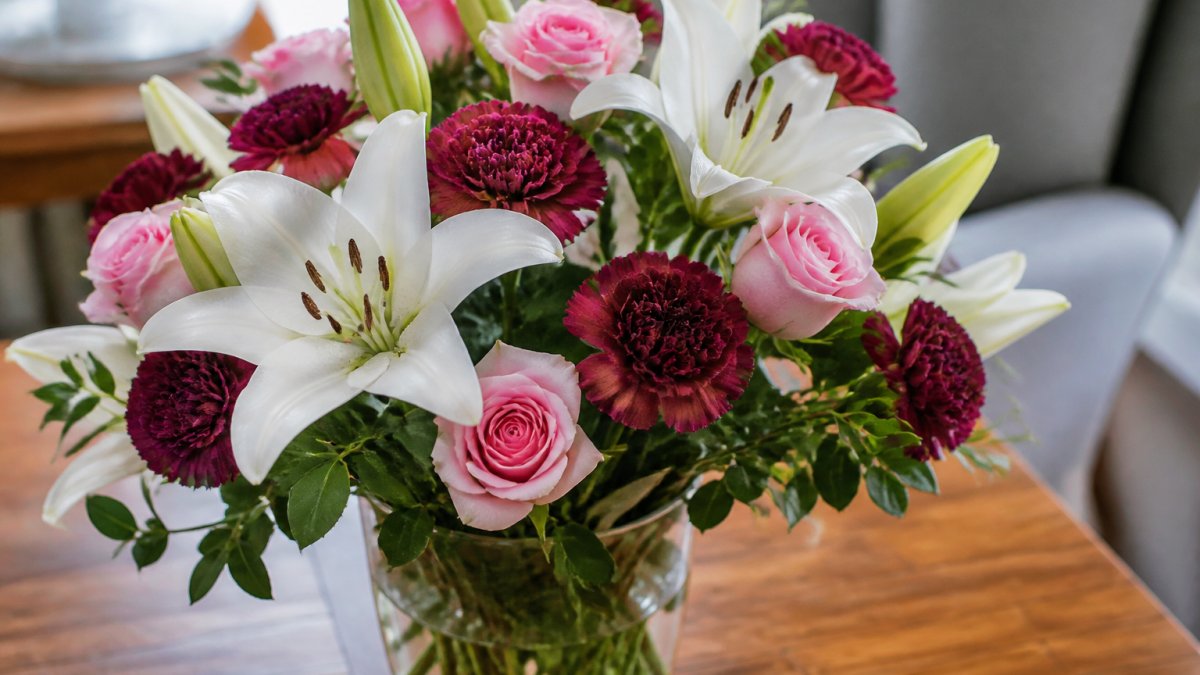
Lilies, roses, and carnations
Lilies are perhaps the most traditional funeral flower choice. White lilies symbolize the restored innocence of the deceased and are deeply rooted in funeral customs. Stargazer lilies, with their pink and white petals, add warmth and represent rebirth.
Roses remain a classic choice for funeral arrangements. White roses express deep respect and reverence. Red roses convey profound love and admiration. Peach or coral roses offer a softer expression of sympathy. Roses work beautifully in mixed arrangements or as the focal point of a casket spray.
Carnations are often overlooked but hold powerful meaning. Red carnations symbolize admiration and deep love. White carnations express pure love and good luck. Pink carnations represent affection and gratitude.
Chrysanthemums, gladioli, and other options
Chrysanthemums hold special significance in many cultures. In Asian traditions, white chrysanthemums are specifically chosen for funeral services and represent truth and devoted love. In Western contexts, they symbolize loyalty and long life. These hardy flowers maintain their appearance throughout the service, making them practical and meaningful.
Gladioli bring height and drama to funeral arrangements. They represent strength, integrity, and moral character. Their tall stems and layered blooms create impressive visual impact while conveying messages of sincerity and remembrance.
Snapdragons, stock flowers, and larkspur also work well in funeral arrangements. Snapdragons represent grace and strength. Stock flowers symbolize lasting beauty and bonds of affection. Larkspur conveys heavenly love and protection. These secondary flowers complement primary blooms and add texture and depth to your arrangement.
Orchids offer a sophisticated, personalized option. They represent eternal love and rare beauty, making them ideal if the deceased appreciated unique or exotic flowers. Hydrangeas, in white or soft blue, convey heartfelt emotion and gratitude.
Choosing Funeral Flower Arrangements by Type
Casket sprays and coffin sprays
A casket spray (also called a coffin spray) is a large arrangement designed to drape over the closed casket during the service. This is typically the most prominent floral display and is usually sent by immediate family members or very close friends.
Casket sprays are substantial arrangements, often measuring about 1 to 1.2 meters in length. They combine multiple flower types and greenery to create a unified, respectful display. The arrangement flows naturally down one side of the casket, creating an elegant tribute that remains visible throughout the service.
When ordering a casket spray, consider the deceased’s favorite colors and flowers. The florist works with you to create something meaningful and appropriate for the setting.
Casket sprays are typically reserved for immediate family. If you’re unsure whether you should send one, check with the funeral home or the family directly. Sending multiple casket sprays can create crowding at the service.
Standing sprays and wreaths
A standing spray is a large arrangement mounted on a stand, positioned near the casket or at the entrance to the service. These arrangements are typically sent by friends, colleagues, or extended family members. Standing sprays are impressive and visible to all attendees without overwhelming the casket itself.
Wreaths are circular arrangements that symbolize eternal life and the cycle of remembrance. They’re often placed on easels and displayed prominently during the service. Wreaths work beautifully in traditional settings and convey a sense of completion and honor.
Both standing sprays and wreaths are substantial tributes. They demonstrate respect and support for the family during their time of grief. These arrangements typically last well after the service, allowing the family to keep them as a lasting memorial.
Bouquets, vase arrangements, and plants
A bouquet or vase arrangement is a versatile option appropriate for friends, coworkers, or more distant family members. These arrangements are smaller and less formal than casket sprays or standing sprays, but they’re no less meaningful. A well-designed bouquet conveys sympathy and support.
Vase arrangements can be placed on tables near the service, sent to the family’s home, or displayed in the funeral home. They’re practical because they require no special equipment and can be enjoyed after the service ends. Many families appreciate receiving vase arrangements they can keep and enjoy in their homes during the grieving period.
Potted plants, orchids, lilies, or peace lilies, offer a living tribute. Plants symbolize life continuing and growth through grief. They require care and attention, which can provide comfort to grieving family members. A potted plant can live for years, serving as a lasting memorial to the deceased.
Funeral Flower Etiquette: What You Need to Know
Funeral flower etiquette guides your choices and ensures your tribute is respectful and appropriate. Understanding these conventions helps you navigate a sensitive time with confidence.
Send flowers to the funeral home or directly to the family’s home before the service when possible. This allows time for the florist to arrange them properly and for the family to see them. If you’re ordering online, provide the funeral home’s address and the service date clearly.
Include a card with your arrangement. Write a brief, heartfelt message expressing your condolences. Keep the message sincere but concise. Avoid clichés or overly cheerful language.
Respect the family’s wishes regarding flowers. Some families request donations to a charity or cause instead of flowers. Others may specify preferred flowers or colors. Always honor these requests; they reflect the family’s values and preferences.
Consider the deceased’s personality and preferences. Did they love bright colors or prefer soft pastels? Were they traditional or more unconventional? Personalizing your flower choice shows thoughtfulness and respect.
Designing Meaningful Funeral Flower Arrangements
When designing a funeral arrangement, start by considering the deceased’s life and personality. Were they a gardener who loved nature? An artist who appreciated bold colors? A quiet person who preferred subtle elegance?
Select a focal flower, typically lilies, roses, or chrysanthemums, that anchors your arrangement. This should be the most prominent bloom and the one that draws the eye first.
Add greenery to create structure and visual interest. Eucalyptus, salal, and ruscus are traditional funeral arrangement greeneries. They provide a neutral backdrop that allows the flowers to shine while adding volume and elegance.
Consider the color palette carefully. Monochromatic arrangements (all one color in varying shades) create a sophisticated, unified look. Mixed-color arrangements can be equally beautiful if the colors complement each other. Avoid overly bright or jarring color combinations.
Memory Lane Florals & Creative Accent works with families to create arrangements that balance aesthetic beauty with heartfelt meaning, ensuring every bloom serves the purpose of honoring the deceased.
The most meaningful funeral flower arrangements reflect the deceased’s personality, incorporate colors and flowers they loved, and convey your genuine emotions through thoughtful design choices.
What to Write on Funeral Flowers
The card accompanying your flowers is your opportunity to express condolences in your own words. Keep your message brief, three to five sentences is appropriate, but genuine and heartfelt.
Use these simple formats:
- “My deepest sympathy to you and your family during this difficult time.”
- “I’m thinking of you and sending love and support.”
- “Please know that you’re in my thoughts and prayers.”
- “I have wonderful memories of [name]. May you find comfort in those memories.”
If you had a specific relationship to the deceased, personalize your message:
- “I’ll always treasure the time [name] and I spent together.”
- “Your father was a wonderful mentor and friend. I’ll miss him.”
- “I’m grateful for all the kindness [name] showed me over the years.”
Avoid religious language unless you know the family shares your faith. Keep the focus on expressing sympathy and support rather than explaining death or offering unsolicited spiritual guidance.
Ordering and Funeral Flower Delivery
Order flowers as soon as you learn of the death, ideally at least one to two days before the service. This gives the florist time to source the freshest blooms and create a thoughtful arrangement.
Provide the funeral home’s name, address, and the service date and time. Include the deceased’s name and your name and contact information. Be specific about the type of arrangement you want, a casket spray, standing spray, vase arrangement, or potted plant.
If you’re ordering last-minute, call directly to confirm availability. The team at Memory Lane Florals & Creative Accent understands the urgency of funeral flower orders and works quickly to ensure your tribute arrives on time.
When ordering online, double-check all details before submitting. Confirm the funeral home address, service date, and arrangement type. If you have specific color or flower preferences, note them in the special instructions field.
Special Considerations and Cultural Traditions
Funeral flower customs vary significantly across cultures and religious traditions. Understanding these differences shows respect and sensitivity.
In many Christian traditions, white flowers are preferred and hold deep spiritual meaning. In Jewish customs, flowers are sometimes avoided entirely, with families preferring donations to charity. Islamic tradition typically discourages flowers at funerals.
Some families prefer no flowers at all, instead requesting charitable donations in the deceased’s name. Always ask or check the obituary for these preferences before ordering.
For cremation services and celebrations of life, the flower etiquette is often more flexible.
When ordering flowers for a service outside your cultural tradition, research the customs or ask the funeral home for guidance.
| Consideration | Guidance | Best Practice |
|---|---|---|
| Timing | Order 1-2 days before service | Ensures fresh blooms and proper arrangement |
| Arrangement Type | Casket spray for immediate family; standing spray or bouquet for friends | Match the arrangement to your relationship |
| Colors | White, pink, red, or soft pastels | Avoid bright, jarring combinations |
| Flowers | Lilies, roses, carnations, chrysanthemums | Choose based on meaning and deceased’s preferences |
| Card Message | Brief, sincere, personalized | 3-5 sentences expressing condolences |
| Cultural Respect | Research traditions before ordering | Honor family’s religious and cultural customs |
When you’re navigating grief and loss, choosing funeral flowers shouldn’t feel overwhelming. Focus on what feels right, what honors the person you’re remembering, and what expresses your genuine feelings.
Selecting the right funeral flowers is one of the meaningful ways you can support a grieving family and honor someone’s memory. Memory Lane Florals & Creative Accent’s funeral flower selection
Frequently Asked Questions
What color flowers should you choose for a funeral?
White and pale flowers convey respect, purity, and sympathy. Soft pastels like pale pink and lavender also work well. Red flowers are generally avoided as they can suggest celebration rather than mourning. The deceased’s favorite colors may be appropriate if the family approves. When in doubt, white or cream arrangements are always a safe, respectful choice that honors the occasion.
How far in advance should you order funeral flowers?
Order as soon as you learn of the death, ideally 24 to 48 hours before the service. This gives florists time to source fresh blooms and create a thoughtful arrangement. If the funeral is within 24 hours, many florists offer same-day delivery for urgent orders. Contact your florist immediately with the funeral home’s name, service date, and time to ensure timely delivery.
What should you write on a funeral flower card?
Keep the message brief and sincere. Express your condolences, share a meaningful memory if appropriate, or simply write ‘With deepest sympathy’ or ‘In loving memory.’ Include your name so the family knows who sent the flowers. Avoid humor or overly cheerful language. If you’re unsure what to say, a simple ‘Thinking of you during this difficult time’ is always appropriate and respectful.
Should funeral flowers be sent to the funeral home or the family’s home?
Send flowers to the funeral home before or on the day of the service so they can be displayed. Check the funeral home’s address and delivery instructions. Some families prefer flowers at their home for the reception afterward. When ordering, ask the florist where flowers should go or contact the funeral home directly. If the family has requested no flowers or donations instead, honor that wish respectfully.


